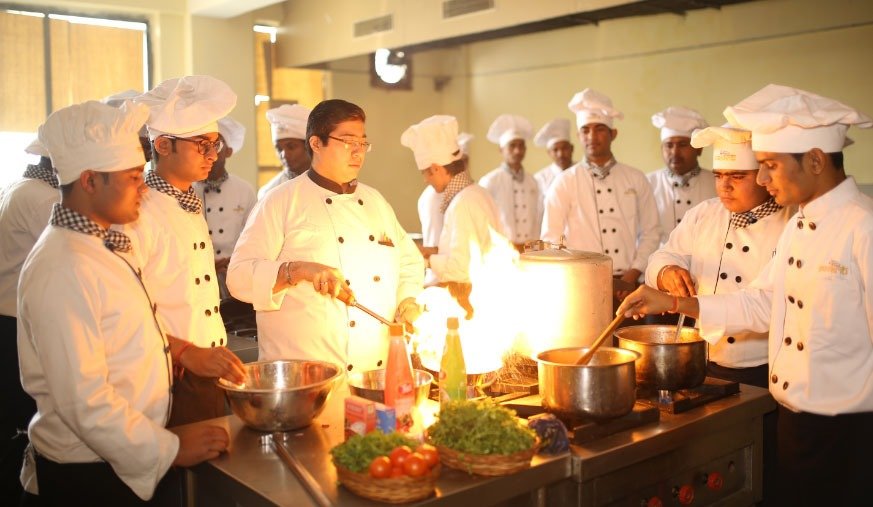
The culinary world is constantly evolving, with new techniques, flavors, and global influences shaping the industry. Whether you aspire to be a head chef, start your own restaurant, or work in high-end hospitality, obtaining a Diploma in Professional Cookery can significantly enhance your career prospects. Here’s how:
1. Industry-Recognized Skills and Knowledge
A diploma in professional cookery equips you with essential skills, including food preparation, cooking techniques, kitchen management, and food safety. With structured training and exposure to real-world culinary environments, you gain expertise that employers seek in professional chefs. This hands-on experience ensures you are well-prepared to handle high-pressure kitchen situations and meet industry standards effectively. Furthermore, you develop proficiency in food hygiene, nutritional balance, and customer service, which are all critical in today’s culinary world.
2. Better Job Opportunities
Many top hotels, restaurants, and catering businesses prefer hiring candidates with formal culinary education. A professional diploma increases your chances of securing roles such as sous chef, pastry chef, or even executive chef faster than those without formal training. Employers recognize that certified professionals possess refined techniques, strong work ethics, and a deeper understanding of food science, making them valuable assets in the kitchen. Additionally, a diploma allows for lateral mobility, enabling you to explore various roles within the food and beverage industry, from private chef positions to food consultancy roles.
3. Pathway to Entrepreneurship
If you dream of starting your own restaurant, café, or catering business, a diploma provides the knowledge needed to run a successful food establishment. You’ll learn about menu planning, budgeting, and kitchen operations, giving you an edge in the competitive food industry. Additionally, courses in business management and marketing can help you develop strategies to attract customers and maintain profitability. You’ll also gain insights into restaurant branding, customer retention, and food cost management—essential components of a thriving food business.
4. Opportunities for International Placements
The hospitality industry is global, and a professional cookery diploma can open doors to exciting international job placements. Many institutions have strong industry connections, allowing you to gain experience in world-class kitchens across different countries. Exposure to diverse culinary traditions and techniques can expand your repertoire and make you a more versatile chef. Learning to work with international chefs also broadens your perspective, helping you adapt to different culinary cultures and consumer preferences.
5. Increased Salary Potential
Formal training in cookery often leads to better-paying positions. Skilled chefs with diplomas tend to command higher salaries due to their expertise and ability to manage kitchen operations efficiently. Employers are willing to invest in professionals who bring exceptional culinary knowledge, creativity, and leadership skills to the table. Additionally, specialized skills in areas such as pastry arts, molecular gastronomy, or plant-based cuisine can make you more desirable in the job market, leading to lucrative opportunities.
6. Networking and Industry Exposure
During your studies, you’ll connect with experienced chefs, industry professionals, and fellow students who may become future business partners or employers. This network can provide valuable mentorship and career opportunities. Attending culinary events, competitions, and workshops can further help you build a strong presence in the industry. Many institutions also host guest lectures by renowned chefs, offering you a chance to learn from the best and gain insights into current industry trends.
7. Specialization in Different Cuisines
A professional cookery diploma allows you to explore various culinary styles, from French and Italian to Asian and fusion cuisine. This specialization can make you a sought-after chef in niche markets. Learning different cooking methods and ingredients enables you to cater to diverse customer preferences and stand out in the culinary scene. Moreover, acquiring expertise in regional and international cuisines can help you carve a niche in fine dining or specialized food establishments.
8. Confidence and Creativity in the Kitchen
Professional training hones your creativity, allowing you to experiment with flavors, techniques, and presentation styles. This innovation is crucial for standing out in the culinary world. Additionally, you’ll develop problem-solving skills that help you adapt to unexpected challenges, such as ingredient shortages or last-minute menu changes. Gaining confidence in your ability to innovate can help you create signature dishes that leave a lasting impression on customers and critics alike.
9. Hands-On Experience with Modern Culinary Technology
A professional cookery diploma provides access to state-of-the-art kitchen equipment and technology. Learning how to use advanced kitchen tools, such as sous-vide machines, blast chillers, and molecular gastronomy kits, gives you a competitive edge in the industry. Mastering these tools enables you to enhance efficiency, maintain food quality, and create innovative dishes that appeal to modern consumers. Additionally, training in digital menu planning and smart kitchen operations prepares you for the future of tech-driven culinary establishments.
10. Understanding Food Sustainability and Ethical Practices
Sustainability is becoming an integral part of the culinary world. A professional diploma program often includes lessons on sustainable cooking practices, minimizing food waste, and sourcing local, organic ingredients. Understanding these concepts helps you align with current industry trends and meet the growing demand for eco-conscious dining experiences. Additionally, learning about farm-to-table practices and ethical sourcing of seafood and meat products can make you a responsible and forward-thinking chef.
11. Opportunities in Food Media and Education
With the rise of food blogging, social media, and digital content creation, a diploma in professional cookery can also open doors to careers in food media. Graduates can explore opportunities as food stylists, recipe developers, culinary instructors, or even television chefs. The ability to communicate culinary expertise through different media platforms can elevate your profile and create additional revenue streams.
12. Gateway to Further Studies and Advanced Certifications
A diploma in professional cookery can be a stepping stone to advanced culinary degrees, specialized certifications, or master’s programs in hospitality management. These further qualifications can enhance your career prospects, positioning you for leadership roles in prestigious culinary institutions and five-star hotels.
Conclusion
A Diploma in Professional Cookery is a powerful investment in your future, providing you with the skills, credentials, and opportunities to thrive in the dynamic world of culinary arts. Whether you aim for a high-profile chef role, international work experience, or your own food business, this qualification can be the stepping stone to a successful and rewarding career. With a strong foundation in both traditional and modern culinary practices, you will be well-equipped to make a lasting impact in the food industry. By continuously evolving and embracing new trends, you can position yourself as an industry leader, bringing innovation and excellence to every plate you serve.