The hospitality industry is a vibrant, fast-paced world that thrives on innovation, exceptional service, and memorable experiences. As global travel continues to surge, hotels and resorts are constantly on the lookout for talented individuals who can manage operations, create unforgettable guest experiences, and lead diverse teams. For those with a passion for service and management, enrolling in a Hotel Management Course can be the key to unlocking a rewarding career in this dynamic field.
The Changing Landscape of Hospitality
In today’s interconnected world, the hospitality sector is more competitive than ever. Modern travelers demand personalized experiences, seamless service, and an atmosphere that feels both luxurious and welcoming. Hotels are no longer just places to rest; they are immersive experiences where every detail matters. This evolution has led to the need for highly skilled professionals who can handle everything from operations and customer service to culinary arts and event management.
A well-designed Hotel Management Course meets this demand by equipping students with the knowledge and practical skills necessary to excel. It goes beyond traditional classroom learning by integrating hands-on experience, internships, and exposure to real-world challenges. Whether you aim to work in a bustling urban hotel or a serene luxury resort, the course lays a strong foundation for a successful career in hospitality.
Why a Hotel Management Course?
Choosing the right educational pathway is crucial when building a career. A Hotel Management Course offers several benefits that set it apart from other programs:
- Holistic Learning: Students gain insights into every aspect of hotel operations, from front desk management to back-end logistics.
- Practical Experience: Internships and industry projects provide real-life exposure, preparing students for the challenges they’ll face in their careers.
- Leadership Development: The course emphasizes soft skills like communication, team management, and problem-solving, which are essential in a fast-paced environment.
- Global Perspective: With courses often including international case studies and global trends, students learn to adapt to diverse cultures and guest expectations.
This combination of theory and practice ensures that graduates are not only knowledgeable but also industry-ready.
Core Components of a Hotel Management Course
A standout Hotel Management Course covers a wide range of subjects designed to offer a 360-degree view of the hospitality industry. The curriculum is carefully structured to cover both operational and creative aspects of hotel management. Let’s delve into some of the key components that make up this comprehensive program.
1. Professional Cookery
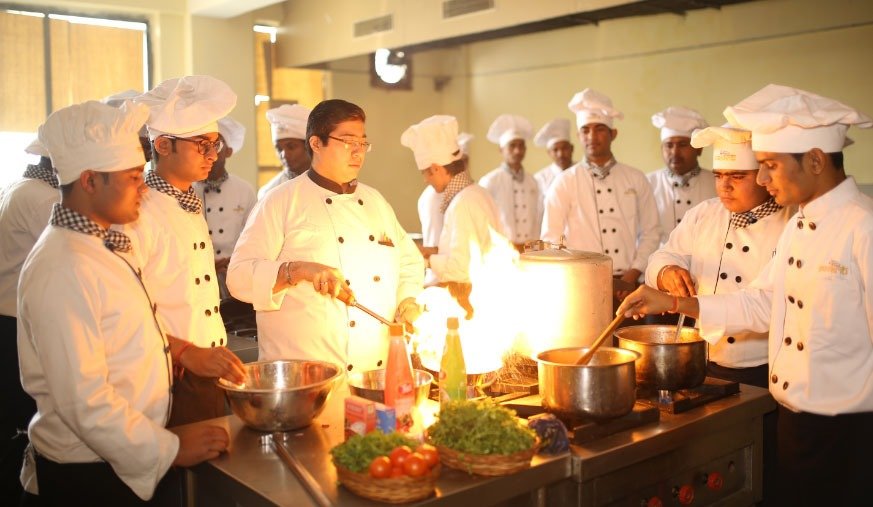
One of the pillars of hospitality is the dining experience. Culinary excellence plays a crucial role in how guests perceive a hotel. That’s why many hotel management programs integrate Professional Cookery into their curriculum.
Professional Cookery courses are designed to:
- Teach Culinary Techniques: From basic knife skills to advanced cooking methods, students learn the art and science of cooking.
- Emphasize Food Safety: Understanding hygiene and safety protocols is paramount in any professional kitchen.
- Explore Global Cuisines: With an ever-increasing demand for diverse dining options, students are exposed to international recipes and cooking styles.
- Enhance Presentation Skills: In a competitive market, the way food is presented can elevate the dining experience. Courses focus on plating, garnishing, and creative food styling.
Through rigorous practical sessions and live demonstrations, students in Professional Cookery gain the confidence and skills to excel as chefs, kitchen managers, or even culinary consultants.
2. Bartending Course
A hotel’s beverage service is just as critical as its food service. A Bartending Course is another integral part of the Hotel Management Course. It offers specialized training in the art of beverage preparation and service.
Key aspects of a Bartending Course include:
- Mixology Mastery: Students learn how to craft classic cocktails as well as innovative new drinks.
- Understanding Spirits: The course covers the origins, production, and characteristics of various spirits, wines, and beers.
- Customer Engagement: Effective bartenders not only mix drinks but also provide memorable customer experiences through engaging interactions.
- Operational Management: Beyond mixing drinks, students learn about inventory control, bar setup, and the financial aspects of running a bar.
Graduates of a Bartending Course are well-prepared to manage bar operations in high-end hotels, busy nightclubs, or even establish their own cocktail lounges.
3. Hotel Management Institute
Selecting the right institution is crucial when pursuing a career in hospitality. A renowned Hotel Management Institute offers more than just a degree—it provides a comprehensive ecosystem that supports students’ growth from day one.
What sets a Hotel Management Institute apart:
- State-of-the-Art Facilities: Modern classrooms, training kitchens, and simulation labs mirror the real-world environment.
- Expert Faculty: Instructors with industry experience bring practical insights to theoretical lessons.
- Internship Programs: These institutes often have tie-ups with leading hotels, offering students hands-on experience through internships.
- Networking Opportunities: Conferences, workshops, and industry seminars help students build connections that are invaluable throughout their careers.
Attending a well-respected Hotel Management Institute not only enhances your resume but also provides a robust platform for launching a successful career in hospitality.
4. Baking and Pastry Institute
The sweet side of hospitality is often overlooked, yet it is an essential component that can define a hotel’s culinary reputation. A Baking and Pastry Institute provides specialized training for those who wish to master the art of desserts, pastries, and baked goods.
The curriculum in a Baking and Pastry Institute typically includes:
- Fundamental Baking Techniques: From mixing dough to mastering fermentation and proofing, students learn the basics of baking.
- Pastry Arts: Courses focus on creating delicate pastries, cakes, and confections that are both visually appealing and delicious.
- Creative Decoration: Students learn the techniques of cake decoration, sugar art, and chocolate sculpting to create stunning edible art.
- Business Acumen: In addition to technical skills, many programs include modules on bakery management, entrepreneurship, and cost control.
Graduates from a Baking and Pastry Institute can pursue careers as pastry chefs in luxury hotels, work in boutique bakeries, or even start their own culinary ventures.
Building a Career in Hospitality
Graduates of a Hotel Management Course find themselves equipped with a versatile skill set that opens doors to numerous career opportunities. The hospitality industry values professionals who can blend operational efficiency with creative flair. Here are some career paths that await:
Hotel Operations and Management
A significant number of graduates become hotel managers, overseeing the daily operations of hotels and resorts. Their responsibilities include managing staff, ensuring guest satisfaction, and handling financial aspects. A deep understanding of every department—from housekeeping to F&B—helps them maintain seamless operations.
Culinary and Beverage Leadership
For those inclined towards the kitchen and bar, career opportunities abound in roles such as executive chefs, sous chefs, and beverage managers. The training in Professional Cookery and the Bartending Course ensures that graduates have both the creative and managerial skills necessary to lead culinary teams and design exceptional dining experiences.
Event and Conference Management
The hospitality industry also thrives on events, conferences, and banquets. A career in event management within the hotel industry involves planning, coordinating, and executing events that meet high standards of service and creativity. The diverse skill set acquired from a Hotel Management Course is ideal for these multifaceted roles.
Entrepreneurship in Hospitality
Many graduates choose to venture into entrepreneurship, starting their own restaurants, bars, or boutique hotels. The comprehensive knowledge gained from the course—combined with practical experience from internships at a Hotel Management Institute—provides a strong foundation for building and managing a successful business.
Developing Essential Soft Skills
While technical skills are critical, the hospitality industry also demands a strong set of soft skills. A Hotel Management Course is designed to hone these abilities:
- Communication Skills: Effective communication is the cornerstone of excellent guest service. Whether dealing with customers, staff, or suppliers, clear and empathetic communication is vital.
- Leadership: Managing a team in a fast-paced environment requires strong leadership. Courses often include modules on team management and conflict resolution.
- Adaptability: The hospitality industry is unpredictable. Professionals must be able to adapt quickly to changes, whether it’s a sudden influx of guests or an unexpected operational challenge.
- Cultural Sensitivity: With guests from around the world, understanding and respecting cultural differences is crucial. Exposure to global case studies in a Hotel Management Course helps build this sensitivity.
- Problem-Solving: Every day in the hospitality industry brings new challenges. The ability to think on your feet and resolve issues efficiently is a trait that every successful hotel manager possesses.
Future Trends in the Hospitality Industry
Staying abreast of emerging trends is essential for anyone in the hospitality sector. A forward-thinking Hotel Management Course often addresses future trends, ensuring graduates are prepared for tomorrow’s challenges:
- Technology Integration: From AI-powered concierge services to mobile check-ins and smart room controls, technology is reshaping how hotels operate.
- Sustainable Practices: Environmental sustainability is becoming a key priority. Green initiatives such as energy conservation, waste reduction, and sustainable sourcing are increasingly part of hotel management curricula.
- Personalized Guest Experiences: Modern travelers expect personalized services. Data-driven approaches and guest profiling help hotels tailor their offerings to individual needs.
- Wellness Tourism: With a growing focus on health and wellness, hotels are incorporating spa services, fitness centers, and wellness programs into their offerings.
- Culinary Innovation: The fusion of traditional recipes with modern cooking techniques continues to evolve. Continuous learning in Professional Cookery ensures that culinary professionals can meet these innovative trends.
How to Choose the Right Program
Selecting the right Hotel Management Course is a critical decision. Here are a few tips to ensure you make the best choice:
- Accreditation and Reputation: Look for programs accredited by recognized bodies and endorsed by industry professionals. A prestigious Hotel Management Institute can make a significant difference in your career prospects.
- Curriculum Breadth: Ensure the program covers all the key areas you’re interested in, including Professional Cookery, Bartending Course, and offerings from a Baking and Pastry Institute.
- Hands-On Experience: Opt for courses that include internships, practical workshops, and industry placements. Real-world exposure is invaluable in building your skill set.
- Alumni Network and Placement Support: A strong network and dedicated placement assistance can be crucial in launching your career. Research how well alumni are doing and what support the institute offers.
- Location and Facilities: Consider the campus facilities, such as training kitchens, simulation labs, and guest amenities, as these resources can enhance your learning experience.
The Impact of a Comprehensive Education
A Hotel Management Course is more than just a degree; it’s a transformative experience. The combination of technical skills, managerial training, and creative development helps shape confident, capable professionals. When you integrate specialized training in Professional Cookery, a robust Bartending Course, top-tier education from a Hotel Management Institute, and hands-on experience from a Baking and Pastry Institute, you’re not only learning to manage a hotel—you’re mastering the art of hospitality.
Graduates emerge as leaders who can innovate, inspire, and elevate guest experiences. Whether you choose to manage a multi-million-dollar hotel chain or open a charming boutique establishment, the knowledge and skills you gain are your most valuable assets.
Conclusion
The journey through a Hotel Management Course is both challenging and immensely rewarding. By diving into specialized areas like Professional Cookery, Bartending Course, obtaining quality education from a renowned Hotel Management Institute, and refining your skills at a Baking and Pastry Institute, you are setting the stage for a successful career in hospitality.
This comprehensive program not only imparts essential technical skills but also builds the soft skills required to lead, innovate, and excel in a competitive industry. Whether your dream is to become a hotel manager, a celebrated chef, or an entrepreneurial force in the hospitality world, a Hotel Management Course provides you with the roadmap to success.
Embark on this transformative journey today, and let your passion for hospitality guide you to a future filled with opportunity, creativity, and excellence.